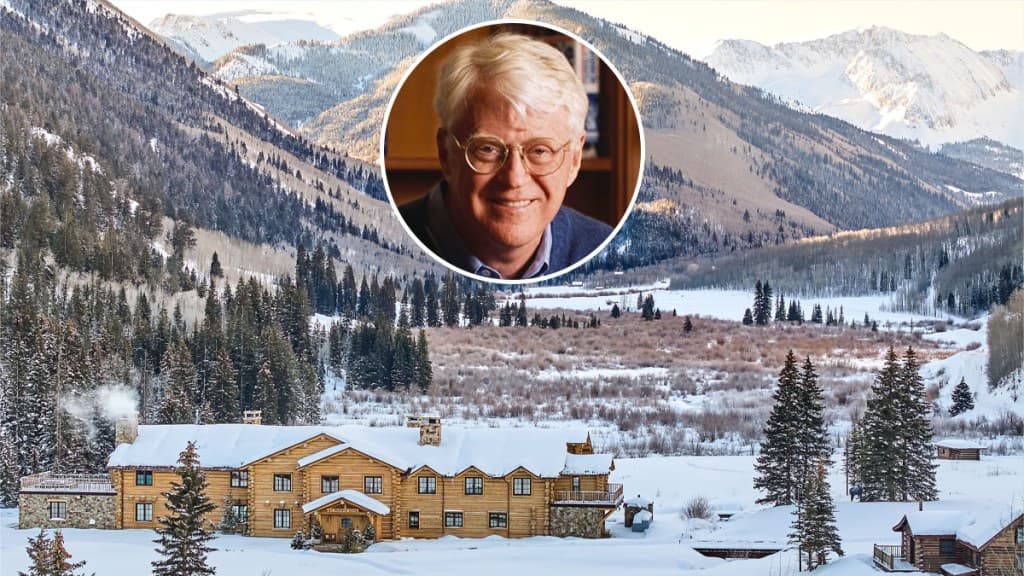
Bill Koch, the billionaire industrialist and America's Cup-winning yachtsman, has relisted his extraordinary Elk Mountain Lodge at $125 million—a price that, if achieved, would surpass the state record set just months ago by the Wynn-Peterffy transaction.
Koch acquired the 52-acre property for $26.5 million in 2007, transforming it over nearly two decades into one of Colorado's most significant private estates. The asking price represents a 371 percent increase from his purchase price, reflecting both substantial capital investment and Aspen's remarkable appreciation trajectory.
Elk Mountain Lodge occupies a unique position in Aspen's inventory. Its 53 acres dwarf typical luxury lots, providing privacy and land holdings that simply don't exist elsewhere in the immediate Aspen market. The property combines modern sustainability features with frontier-inspired architectural elegance, creating something that transcends conventional residential categories.
The relisting—this isn't the property's first time on market—reflects the challenge of pricing truly unique assets. There are no direct comparables for a 53-acre compound with this combination of attributes. The seller must find a buyer who values the specific package and possesses both the capital and motivation to transact.
The asking price tests a fundamental market question: can Aspen support two nine-figure transactions in short succession? The Wynn-Peterffy sale demonstrated that such pricing is achievable; whether the buyer pool extends beyond that single transaction remains to be proven.
For Koch, the timeline is presumably flexible. Billionaires don't typically need to sell, which means pricing can reflect aspiration rather than urgency. If the right buyer emerges, a deal happens. If not, the property continues serving its current function while waiting for market evolution.
Market observers will watch the listing's trajectory carefully. A sale near asking would confirm Aspen's arrival in the ultra-trophy tier. Extended marketing or significant price reduction would suggest practical limits even in this rarified market.