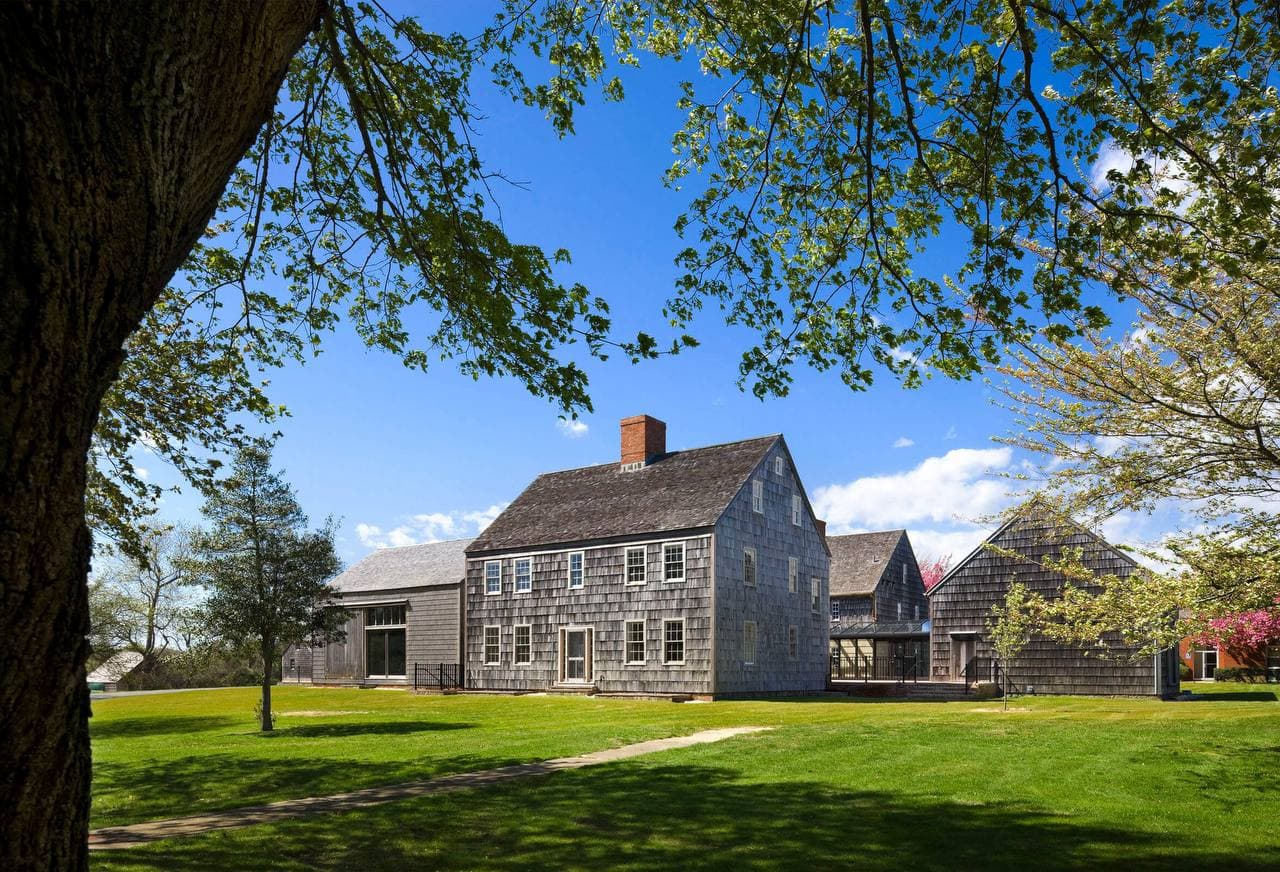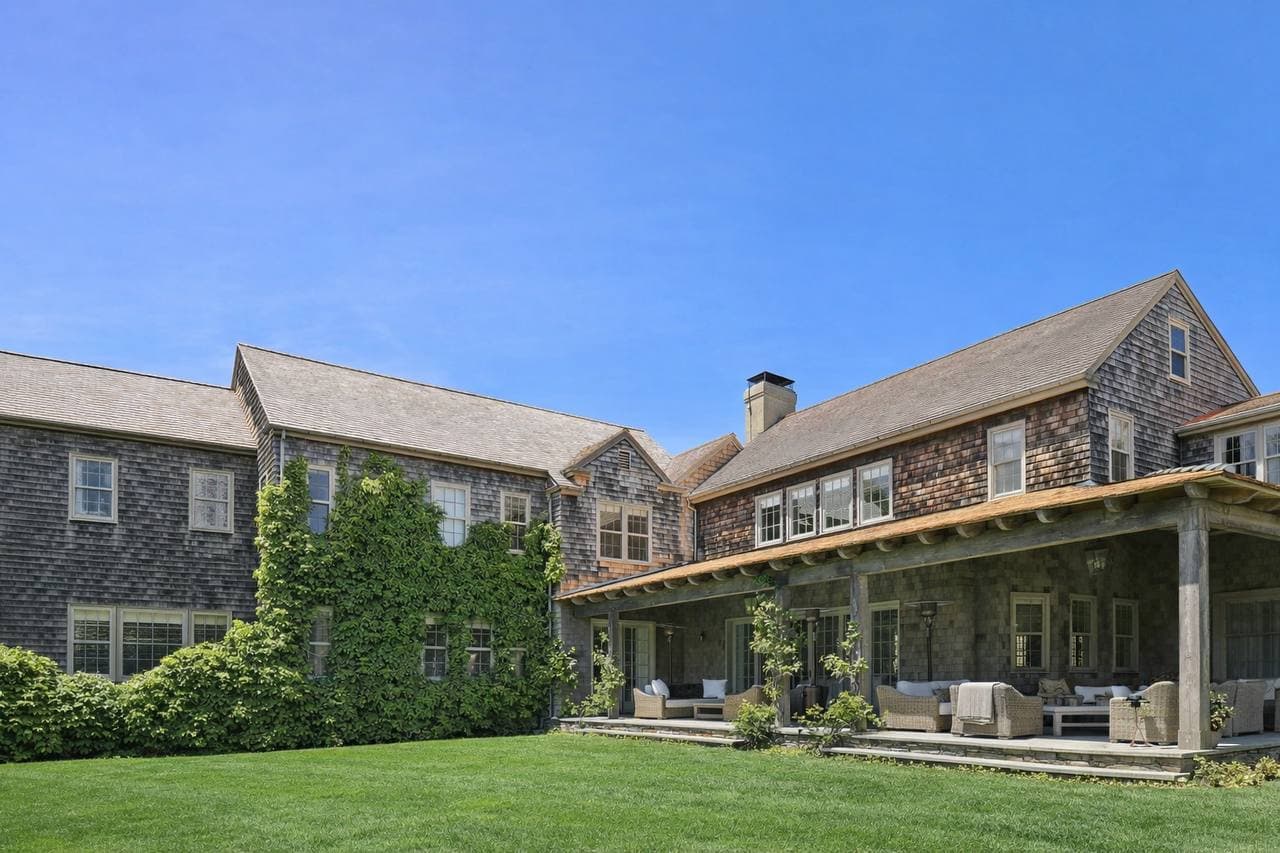
In Sag Harbor, the $5 million to $15 million waterfront band buys frontage quality, dock utility, and cove or harbor exposure more than square footage. At the low end of that range you are often paying for renovated cottage or bay-adjacent living with limited scale. Toward the top you are paying for meaningful bulkhead, deep-water access, privacy, and a finished house that can host. Village off-water comps do not price this band. Treat waterfront as its own market.
Waterfront vs Village: Two Related Markets
Sag Harbor Village luxury and Sag Harbor waterfront sit next to each other on a map and in buyer conversations. They do not share the same comps.
Off-water Village streets price walkability, architecture, and lot feel inside the historic fabric. Waterfront prices the water: frontage length and quality, dock and slip depth, vessel capacity, privacy versus walk-to-village tradeoffs, and the condition of bulkhead and flood infrastructure. A strong Village street sale does not justify a weak dock. A short cove frontage does not price like deep-water marina-adjacent product.
For Village context, see the Homes editorial coverage of Sag Harbor Village luxury. This Coastal piece is waterfront-only. Different comps, different underwriting, different ask-to-close behavior.
How the $5M–$15M Band Breaks
Until verified closes are locked, read the band in qualitative tiers rather than invented medians.
Entry waterfront and renovated cottage. Toward the lower end of the band, buyers typically find renovated cottages, bay- or cove-adjacent homes, shorter frontage, or older docks that still function but need capital soon. Scale is limited. The lifestyle is real. The trophy package is not.
Mid docked product. In the middle of the band, stronger renovations, better outdoor programs, and usable docks become the story. The house can host. The water can be used without constant apology. Privacy improves, though walk-to-village convenience may trade off.
Upper $10M–$15M finished frontage. Near the top of the band, longer frontage, deeper slips, clearer privacy, and a finished house that can compete as a waterfront primary or trophy second home. Exact packaging still varies sharply by cove versus harbor location, exposure, and infrastructure condition.
Exact package always varies by cove versus harbor, orientation, and how much water work has already been done. Do not treat any single listing ask as the band’s “price.”
What Moves Price
In order of weight for serious buyers in this band:
1. Frontage length and quality. Deeded frontage that works, not a marketing view.
2. Dock and slip depth, plus vessel capacity. Navigable depth at low tide matters as much as the dock photograph.
3. Privacy versus walk-to-village tradeoff. Both can be valuable. They are rarely free together.
4. Condition and architecture. Finished outdoor programs and coherent renovations clear faster than projects sold as lifestyle.
5. Interior square footage. Important, but secondary to water utility in this band.
Flood elevation, bulkhead remaining life, septic, and permit history sit underneath all of the above. They are not footnotes. They are price.
Ask vs Close Discipline
Public listing asks in this band often test optimism. Sellers price for the best version of the property: new dock, full renovation, perfect privacy. Buyers underwrite the house as it sits: flood elevation, bulkhead condition, permit history, and real vessel capacity.
The gap between ask and close widens when water infrastructure needs work. A defensible ask anchored to recent waterfront closes with similar frontage and dock utility beats a headline ask that dies on the first serious inspection of the bulkhead.
Sellers should not lead with Village street comps. Buyers should not treat portal asks as evidence of value. Both sides need a short set of true waterfront references, then honest adjustments for condition and privacy.
Private Market Note
Some of the cleanest docked homes never list publicly, or list briefly after a private process. In a thin waterfront band, relationship access and anonymized comps matter as much as MLS printouts.
Private does not mean above market. It means a quieter path to the same underwriting. Discretion protects sellers and buyers who prefer not to run a public campaign. It does not replace surveys, dock permits, or comparable closes.
How Barry Works This Band
Barry McGovern is a Licensed Real Estate Salesperson with Hedgerow Exclusive Properties, a boutique ultra-luxury Hamptons brokerage publicly associated with nearly $2 billion in Hamptons transactions. His focus is oceanfront, waterfront, and private-market property from Southampton to Montauk.
For buyers and sellers in the Sag Harbor $5M–$15M waterfront band, the work is practical: verify frontage and dock facts, build a defensible comparable set, and separate Village street noise from water utility. Soft introductions and private inventory are part of that process when they fit. Invented urgency is not.
About Barry on Coastal (https://hamptonscoastal.com/about/barry-mcgovern) · hamptonshomes.ai (https://hamptonshomes.ai/) · 646-339-0154 · barry@hedgerowexclusive.com
FAQ
What does $5M–$15M actually buy on Sag Harbor waterfront in 2026?
Expect a spectrum. Lower in the band: renovated cottages, bay or cove-adjacent homes, shorter frontage, or older docks. Mid-band: stronger renovations, better outdoor programs, usable docks. Upper band: longer frontage, deeper slips, privacy, and a house that can compete as a finished waterfront primary or trophy second home. Exact package varies by cove vs harbor location.
Is Sag Harbor waterfront priced like Sag Harbor Village streets?
No. Village off-water luxury and waterfront are related markets with different comps. A strong Village street sale does not justify a weak dock. A short cove frontage does not price like deep-water marina-adjacent product.
Why do asking prices look high compared with recent closes?
Sellers often price for the best version of the property (new dock, full renovation, perfect privacy). Buyers underwrite the house as it sits: flood elevation, bulkhead condition, permit history, and real vessel capacity. Gap between ask and close widens when water infrastructure needs work.
What should a buyer verify before relying on a “waterfront” label?
Confirm deeded frontage vs view-only, dock permits and remaining life, navigable depth at low tide, FEMA/flood zone, coastal erosion and bulkhead responsibility, and any HOA or municipal dock rules. Marketing language is not a survey.
Where does private inventory fit in this band?
Some of the cleanest docked homes never list publicly, or list briefly after a private process. In a thin waterfront band, relationship access and anonymized comps matter as much as MLS printouts.
How should sellers in this band set price?
Anchor to recent waterfront closes with similar frontage and dock utility, then adjust for condition and privacy. Do not lead with Village street comps. A defensible ask beats a headline ask that dies on the first serious inspection of the bulkhead.