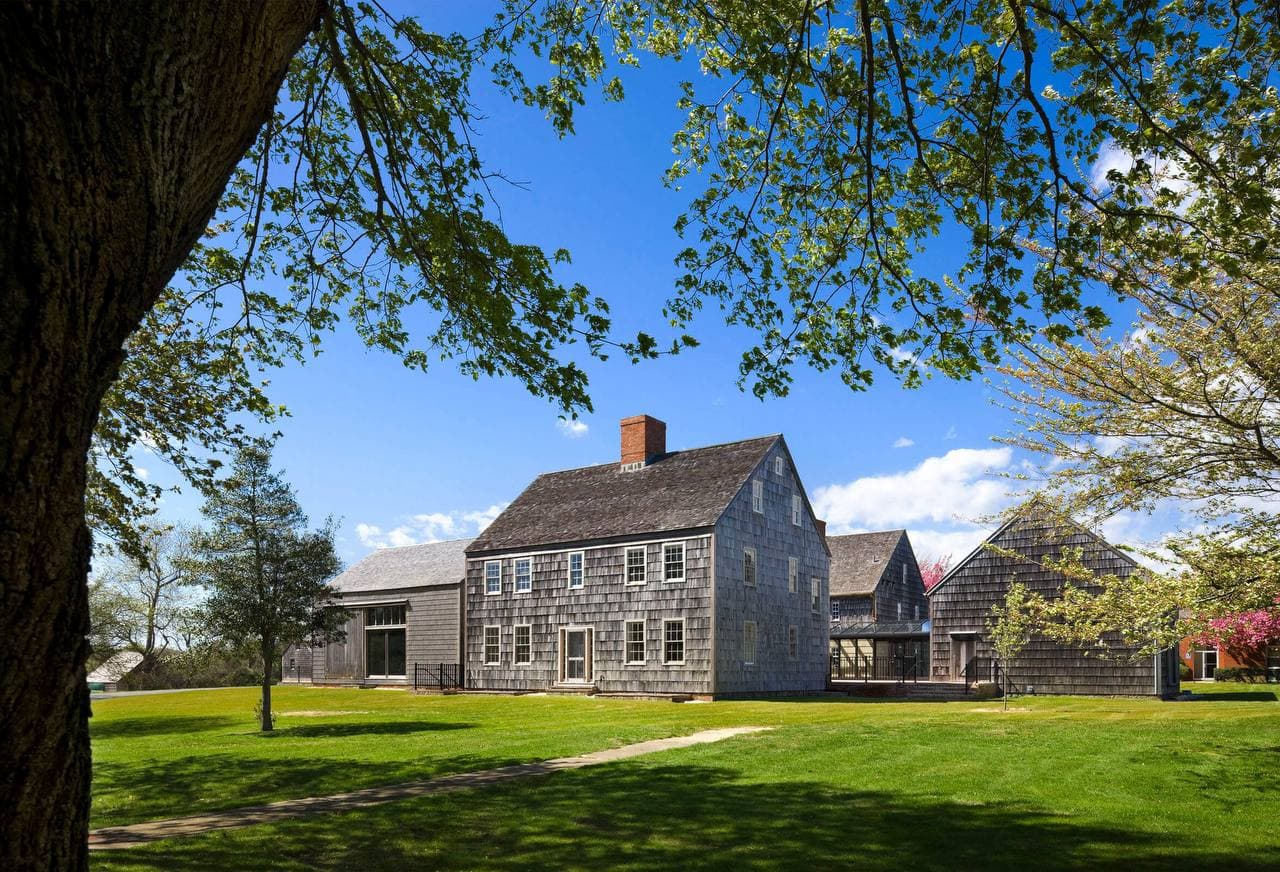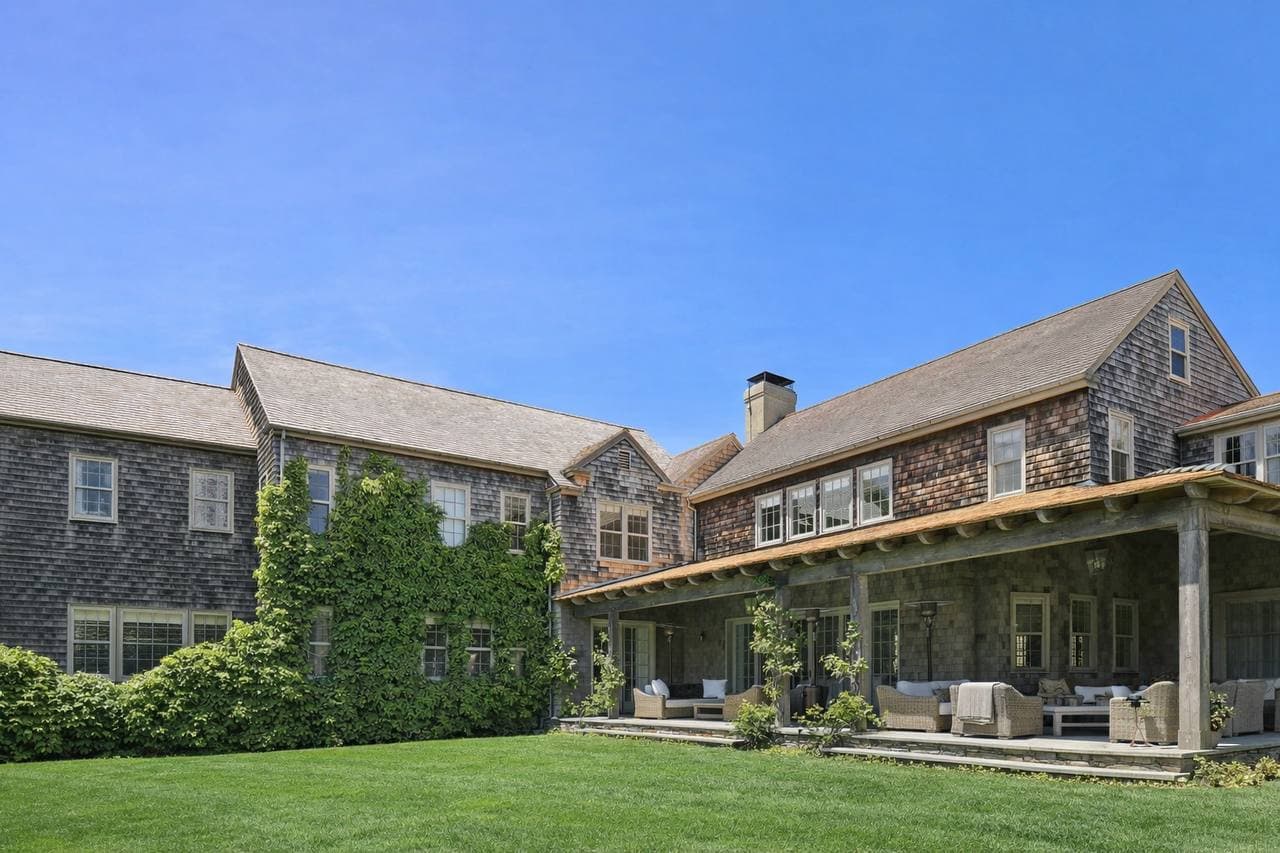
East Hampton oceanfront remains a scarcity market: publicly listed inventory is thin, true dune-and-frontage product is thinner, and asking prices often describe aspiration more than recent closes. What moves is property-specific. Buyers underwrite ocean proximity, dune setbacks, house quality, and privacy against a short list of comparable closes, not against the count of listings online. Hedgerow Exclusive Properties, a boutique ultra-luxury Hamptons firm publicly associated with nearly $2 billion in transactions, works this corridor with that discipline.
Define the Corridor
This piece covers East Hampton oceanfront and near-ocean estate sections, especially the Lily Pond Lane / Further Lane corridor and true Atlantic frontage. It is not a general East Hampton town overview.
Three related products get conflated in marketing language:
True oceanfront. Deeded or clear Atlantic frontage with dune and setback facts that buyers can underwrite. Scarcity is structural.
Ocean-view and near-ocean. Proximity and view without the same frontage package. Valuable when privacy and house quality are strong. Not interchangeable with true frontage comps.
Estate-section near the beach. Lily Pond, Further Lane, and related lanes signal prestige and location class. Street names do not replace parcel-level facts: ocean proximity, lot geometry, neighbors, dune vegetation, and house quality still decide value inside the corridor.
Inventory vs Supply
Public inventory exists, but it is thin relative to demand for true oceanfront and top estate-section product. A longer listing count after Labor Day does not equal more dune frontage.
Seasonal showings can rise without creating true supply. Buyers who track portal counts as a proxy for opportunity often misread the market. Serious oceanfront and corridor product remains a short list. What looks like “more inventory” is frequently the same thin set cycling through longer marketing stories, price tests, or late-summer timing.
Ask vs Close Framework
Headline asks can sit well above defensible close ranges when dune, renovation, or privacy facts do not match the marketing story.
Sellers often price for a best-case outcome: perfect privacy, finished renovation, peer comps at the top of the corridor. Buyers discount for dune setbacks, flood and erosion exposure, unfinished renovations, and comparable closes that were quieter or more compromised. The gap is information, not mystery.
Serious buyers underwrite:
Ocean proximity and frontage class (true frontage vs view vs estate-section near beach)
Dune setbacks, vegetation, and coastal exposure
House architecture or renovation coherence
Usable outdoor program and privacy
Seller expectations against a short, honest comparable set
Trophy corridor sales can still clear at high absolute numbers when the package is complete. They are not a template for every ocean-view listing.
What Is Moving
Homes that clear inspection and underwriting stories move: coherent architecture, strong outdoor living, defensible privacy, and sellers who will meet the market. Patterns matter more than any single headline ask.
Public portfolio record (corridor context): hamptonshomes.ai lists 33 Lily Pond Lane as sold $31,500,000 on 9/10/2025 (7,000 SF, 1.81 acres). Barry represented the seller (confirmed 2026-09-15). This is public portfolio context for the Lily Pond corridor, not a claim that every nearby listing clears at that level.
Beyond verified portfolio and MLS closes, treat movement as qualitative: clean title stories, finished or coherent renovations, and realistic seller expectations outperform unsupported headline asks.
Private Market Layer
Some estate-section and oceanfront opportunities circulate privately first. Treat “off-market” as a process description: discretion, testing, or relationship introduction. Still require comps and due diligence.
Private introductions can reduce noise and protect discretion. They do not erase dune facts, flood exposure, or comparable closes. Silence after a soft showing is often a pass on price, not hidden demand.
Buyer and Seller Checklists
Buyers
Separate true oceanfront from ocean-view and estate-section near beach before comparing asks.
Build a short comparable set of corridor and frontage closes; adjust for dune, privacy, and house quality.
Verify flood, erosion, setbacks, and permit history early.
Ask why a private opportunity is private, and what due diligence is allowed before commitment.
Do not let portal listing counts substitute for supply reality.
Sellers
Build a short set of true oceanfront or near-ocean closes; adjust honestly for differences.
Decide whether the goal is a quiet negotiation or a public marketing campaign.
Price for the house as it sits, not the best-case renovation story.
An unsupported headline ask can freeze the buyers who would have engaged privately.
If a private process fails on price, reset before a public list rather than carrying the same number into a louder channel.
Barry McGovern is a Licensed Real Estate Salesperson with Hedgerow Exclusive Properties, focused on oceanfront, waterfront, and private-market property from Southampton to Montauk. Hedgerow is a boutique ultra-luxury Hamptons brokerage publicly associated with nearly $2 billion in Hamptons transactions.
For East Hampton oceanfront and Lily Pond / Further Lane corridor work, the discipline is the same: thin inventory, property-specific underwriting, and ask-to-close clarity without invented urgency.
About Barry on Coastal (https://hamptonscoastal.com/about/barry-mcgovern) · hamptonshomes.ai (https://hamptonshomes.ai/) · 646-339-0154 · barry@hedgerowexclusive.com
FAQ
Is there meaningful East Hampton oceanfront inventory in 2026?
Public inventory exists but is thin relative to demand for true oceanfront and top estate-section product. A longer listing count after summer does not equal more dune frontage.
Why is ask vs close so wide on oceanfront?
Sellers often price for a best-case outcome (perfect privacy, finished renovation, peer comps at the top of the corridor). Buyers discount for dune setbacks, flood/erosion exposure, unfinished renovations, and comparable closes that were quieter or more compromised. The gap is information, not mystery.
What is actually moving?
Homes that clear inspection and underwriting stories: coherent architecture, strong outdoor living, defensible privacy, and sellers who will meet the market. Trophy corridor sales can still clear at high absolute numbers when the package is complete.
How should buyers read Lily Pond and Further Lane?
Street names signal prestige but do not replace parcel-level facts. Ocean proximity, lot geometry, neighbors, dune vegetation, and house quality still decide value inside the corridor.
Where do private and off-market opportunities fit?
Some estate-section and oceanfront opportunities circulate privately first. Treat “off-market” as a process description: discretion, testing, or relationship introduction. Still require comps and due diligence.
What should sellers do before setting an ask?
Build a short set of true oceanfront or near-ocean closes, adjust honestly for differences, and decide whether the goal is a quiet negotiation or a public marketing campaign. An unsupported headline ask can freeze the very buyers who would have engaged privately.