Aspen is heading into spring with a real estate landscape defined by sharp contrasts. A new $70 million Red Mountain listing is drawing national attention, a $360 million affordable housing project is days from a critical city vote, and a string of stalled luxury developments continues to frustrate residents and officials alike.
The result is a market pulling in two directions at once, with implications for buyers, builders and the community that holds it all together.
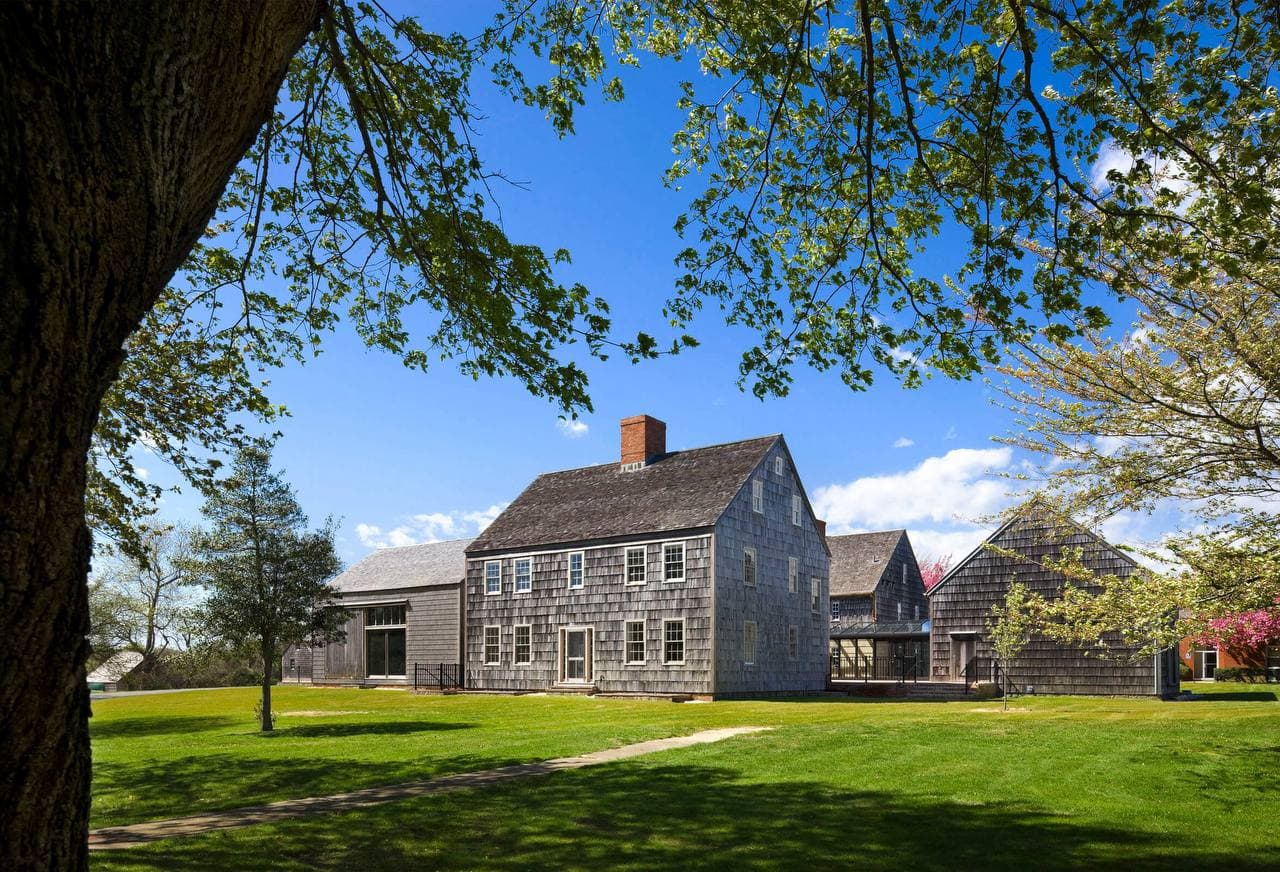
The headline listing of the week belongs to Frederic "Rick" Bourke, co-founder of the leather goods brand Dooney & Bourke, who has put his 11,000-square-foot Red Mountain estate on the market for $70 million. The property was designed by Robert A.M. Stern, one of the most celebrated residential architects of the past century, who passed away in 2025. The listing adds a layer of rarity that collectors and architecture enthusiasts will notice: a Stern-designed mountain home, on one of Aspen's most coveted streets, from a designer who will never take another commission.
Red Mountain has become Aspen's most reliable price barometer. It is the neighborhood that produced Colorado's record $108 million sale last year and has consistently anchored the ultra-luxury tier. A $70 million ask here is ambitious but not unreasonable given comparable sales in the corridor.
But the biggest story in town this month has nothing to do with trophy homes. On March 24, Aspen City Council will vote on the financial closing documents for the first building of the Lumberyard, a three-building, 277-unit workforce housing development located across Highway 82 from the Aspen Airport Business Center. The total project budget: $360 million. The first building alone carries a $141.5 million price tag, with the city contributing $118.8 million.
The Lumberyard is the most significant housing investment in Aspen's modern history, and the March 24 vote could greenlight construction as early as this spring. Gorman & Company, the contractor tapped to build and manage the development, is pushing to break ground before the snow melts.
"It's beautiful out, so we'd like to get started as soon as possible on construction after that," Aspen Capital Asset Director Robert Schober told the council during a work session earlier this month.
The project also introduces a novel concept. The Aspen/Pitkin County Housing Authority has proposed reserving 10 of the 109 first-building units for existing APCHA homeowners who want to sell their properties and transition to renting. The idea is that freeing up owned affordable units creates more inventory for prospective buyers further down the waiting list.
Mayor Rachael Richards backed the proposal. "Living in a situation of insecurity is why a lot of people leave the valley, even though they have good jobs and good professions," she said.
Meanwhile, a separate but related frustration is boiling over: the growing number of stalled luxury development projects scattered across downtown Aspen. The Aspen Daily News reported this week that city officials are reviewing several prominent properties, most tied to developer Mark Hunt, that have sat vacant or partially constructed for years.
The list reads like a tour of Aspen's most visible addresses. The Red Onion restaurant on the Cooper Pedestrian Mall has been closed since December 2020, its interior finish permit still not submitted. The Crystal Palace, now slated to become an RH Guesthouse and spa, first obtained a building permit in 2017 and has been subject to repeated delays and change orders. The 404 Park Avenue property, once approved for a 28-unit affordable housing project under a previous owner, has sat vacant for more than five years since Hunt acquired it.
Community Development Director Ben Anderson called the situation "the most frustrating" part of his work. "We work on it every day, and in spite of those best efforts, these projects continue to be of concern, and rightfully so," he told the council.
Hunt's company reportedly pays the city over $300,000 per year in mitigation and parking fees for the Crystal Palace project alone, a figure that has prompted residents to question whether the financial penalties are severe enough to motivate completion.
The dynamic is worth watching for anyone invested in Aspen's market. A town that can command $70 million for a single-family home but cannot get a restaurant or a boutique hotel finished on its main pedestrian mall is a town grappling with something deeper than supply and demand. Aspen's land use codes, legal complexities and the sheer cost of building at 8,000 feet all contribute to the gridlock.
For buyers, the takeaway is nuanced. Trophy properties on Red Mountain and in the core remain tightly held, and new inventory at the top end is still rare enough to command strong premiums. But the community is clearly signaling that it expects development to mean more than permits and renderings. The Lumberyard vote, the stalled projects review and the $70 million Bourke listing all land in the same two-week window, making March 2026 one of the most consequential months for Aspen real estate in recent memory.