A legendary oceanfront compound on East Hampton's most coveted stretch has closed for $72 million, establishing the largest known residential transaction in the Hamptons for 2026.
The 3.6-acre estate at 43 East Dune Lane, known as Dune Cottage, sold on March 6 after entering the market in 2024 with a $120 million ask. The final sale price of $72 million represents a significant reduction from the last listed price of $84.9 million, reflecting current market dynamics where even trophy properties face pricing pressure.
Terry Cohen at Compass, alongside Hedgerow Exclusive Properties and Chris Covert and Adam Modlin at Modlin Group Hamptons, represented the sellers. The buyer's identity remains undisclosed.
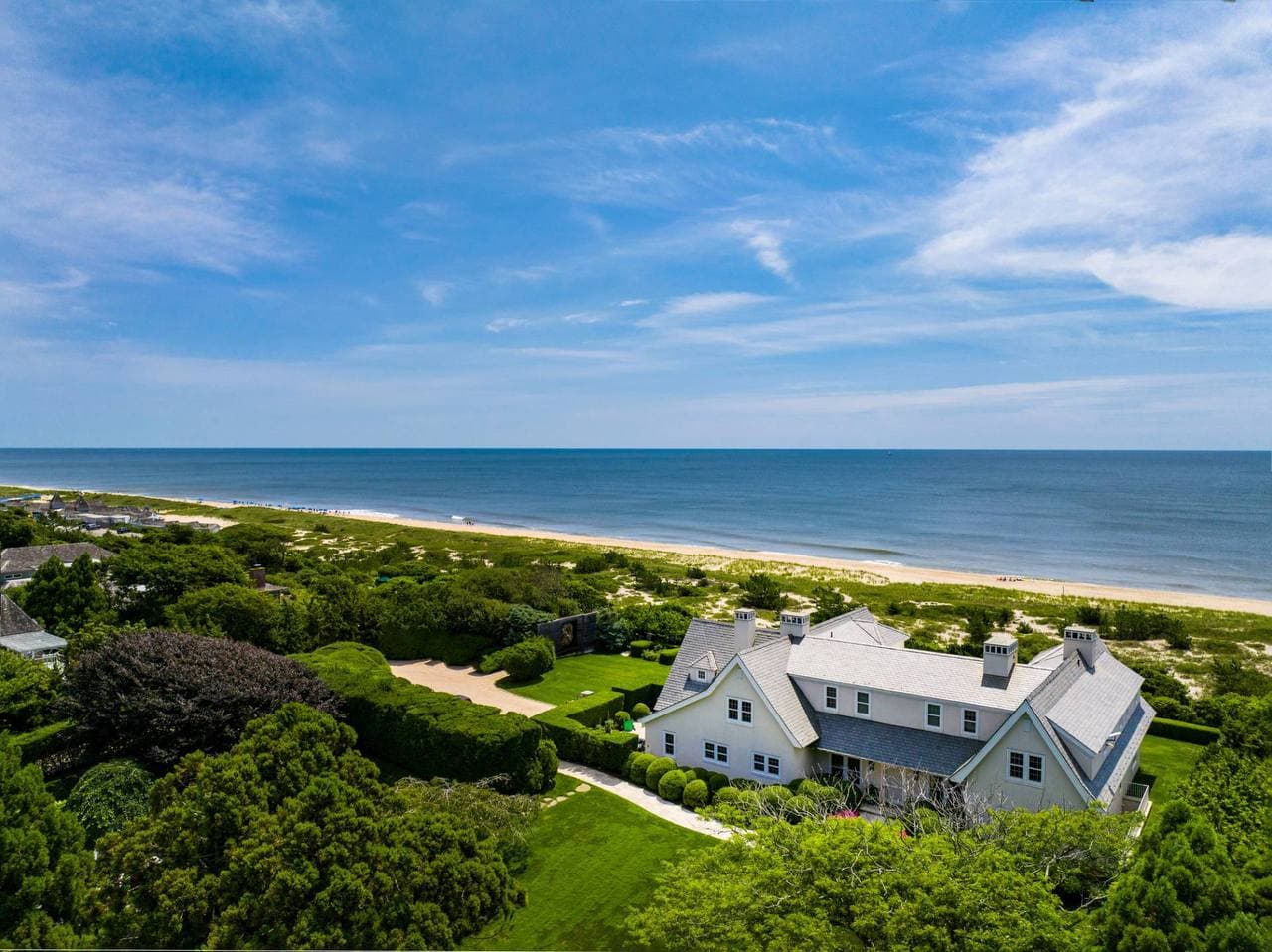
Situated between the Atlantic Ocean and Hook Pond, with the manicured fairways of the Maidstone Club as a backdrop, the estate occupies one of the most protected and prestigious positions on the East End. The property boasts 225 feet of direct oceanfront and is accessed through an allée of specimen beech trees that leads to the main residence perched atop a natural dune.
The sale caps off more than two decades of ownership by the late Thomas H. Lee, the billionaire private equity pioneer, and his wife, venture capital investor Ann Tenenbaum. Lee, who died in February 2023 at age 78, was considered a founding father of the leveraged buyout industry. Following his passing, Tenenbaum decided to part with the cherished family retreat.
The property's provenance reads like a who's who of American aristocracy and cultural history. Originally built in 1910 by renowned architect Grosvenor Atterbury, the residence was commissioned as part of an 80-acre estate belonging to Frank Wiborg, an ink manufacturing magnate whose wealth earned him a permanent place in Hamptons lore (nearby Wiborg's Beach bears his name to this day).
Wiborg's daughter, Sara Murphy, inherited the property and became a central figure in the Jazz Age social scene. Murphy served as literary inspiration for F. Scott Fitzgerald's characters and hosted legendary gatherings that attracted the era's most celebrated artists and writers. However, by 1941, the original grand mansion had become too expensive to maintain during wartime, leading to its deliberate destruction by the East Hampton Fire Department, a dramatic end that only added to the property's mystique.
The smaller "cottage" survived and later attracted another layer of American royalty. In the late 1980s, Lee Radziwill, sister to former First Lady Jacqueline Kennedy Onassis, and her then-husband Herbert Ross purchased the property for $6.2 million. The location held particular significance for the Kennedy sisters, who spent childhood summers nearby.
The property briefly captured national attention in 1999 when comedian Jerry Seinfeld signed a $19 million contract to purchase it, only to have Radziwill and Ross back out of the deal at the last moment, a decision that likely cost them tens of millions given subsequent appreciation.
Lee and Tenenbaum acquired the estate in 2001 for $16.2 million after renting it for a summer. They embarked on extensive renovations, including a complete rebuild in 2013 following a fire, meticulously ensuring the new structure honored Atterbury's original 1910 design aesthetic.
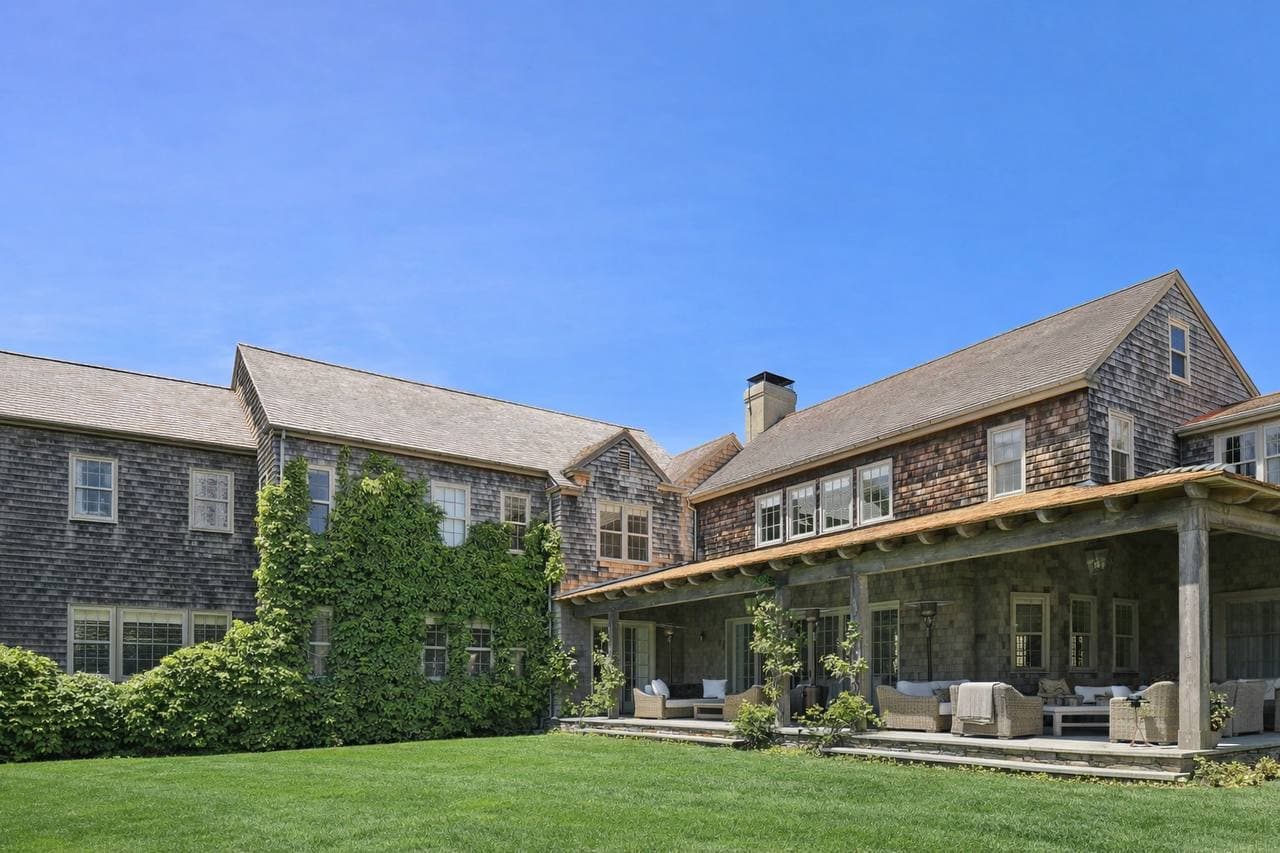
The current 11,000-square-foot main residence showcases the careful balance between historic preservation and modern luxury. Soaring 15-foot ceilings define the living spaces, which open seamlessly to an oceanside all-season terrace offering unobstructed water views. The home encompasses 10 bedrooms and 12 full bathrooms, plus two powder rooms, spread between the main house and a 1,500-square-foot guest studio positioned adjacent to the property's Har-Tru tennis court.
A full lower level adds approximately 5,000 square feet of entertainment and wellness space, featuring a screening room, fitness center, and spa facilities. The outdoor amenities are equally impressive, with a private grotto providing access to a heated 24-by-58-foot pool and spa, both nestled naturally within the surrounding dunes.
The $72 million sale price positions the transaction among the highest-grossing Hamptons deals in recent years, though it falls short of the record-setting sales that characterized the pandemic-era market peak. The significant reduction from the original $120 million ask reflects broader market recalibration, where even the most desirable properties are encountering buyer resistance to peak pricing.
For East Hampton's luxury market, the sale represents both continuity and change. The property's new owner inherits more than a century of carefully preserved history, along with one of the most irreplaceable oceanfront positions on the East End. As development pressures intensify and available oceanfront parcels dwindle, estates like Dune Cottage become increasingly rare, living monuments to an era when grand summer "cottages" defined Hamptons luxury.