Two seismic developments collided in South Florida this week, each with the potential to fundamentally alter the region's real estate landscape. Palantir Technologies, the data analytics giant co-founded by billionaire Peter Thiel, announced it is relocating its headquarters to Miami from Denver. Days later, the Florida House of Representatives passed a near-total repeal of property taxes, a move that, if enacted, would eliminate one of the largest recurring costs of homeownership in the state.
The dual headlines underscore a reality that has been building for years: Miami is no longer just a lifestyle destination. It is becoming a corporate and financial capital, and the policy environment is accelerating that transformation at a pace few predicted.
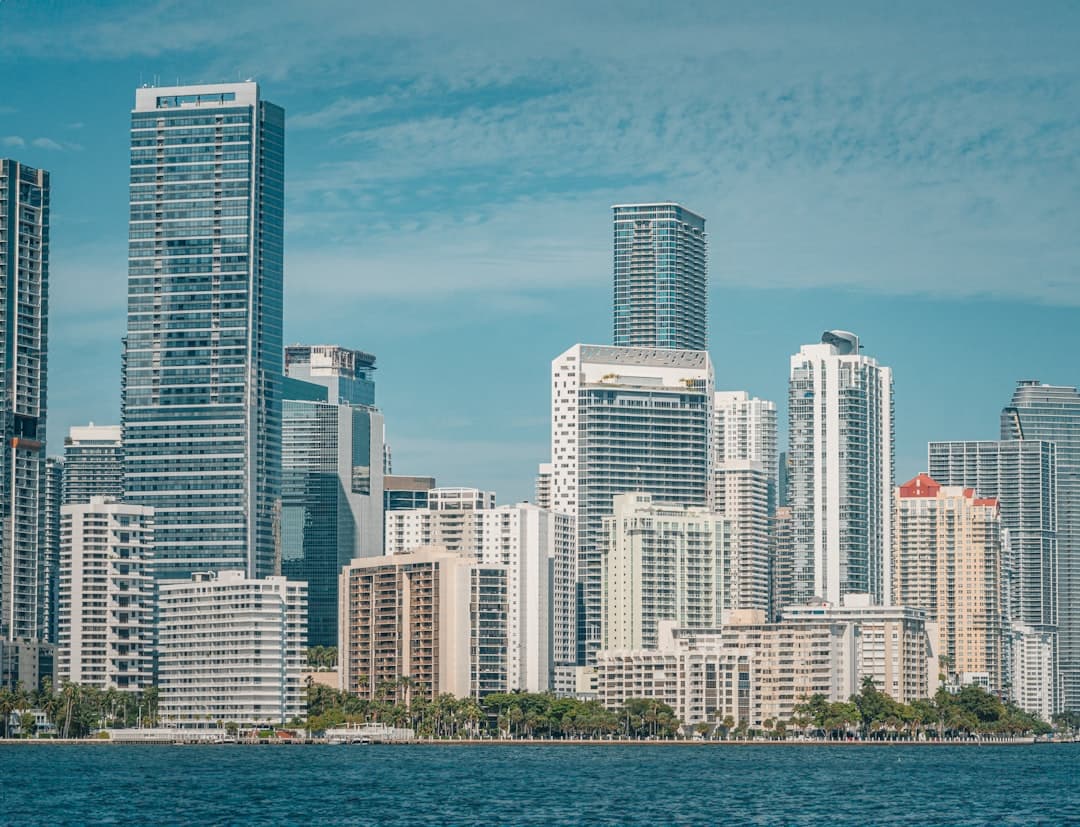
Palantir's relocation, reported by the Miami Herald on February 18, marks another high-profile addition to the wave of tech and finance firms that have decamped for South Florida since 2020. The company, which holds billions in government and commercial contracts and carries a market capitalization north of $200 billion, will bring executive talent and engineering staff to a city already absorbing transplants from Silicon Valley, New York and Chicago. Real estate brokers who specialize in corporate relocations say the downstream effects are predictable: demand for premium housing in Brickell, Coconut Grove and Coral Gables will intensify, particularly in the $3 million to $15 million single-family segment where inventory remains historically tight.
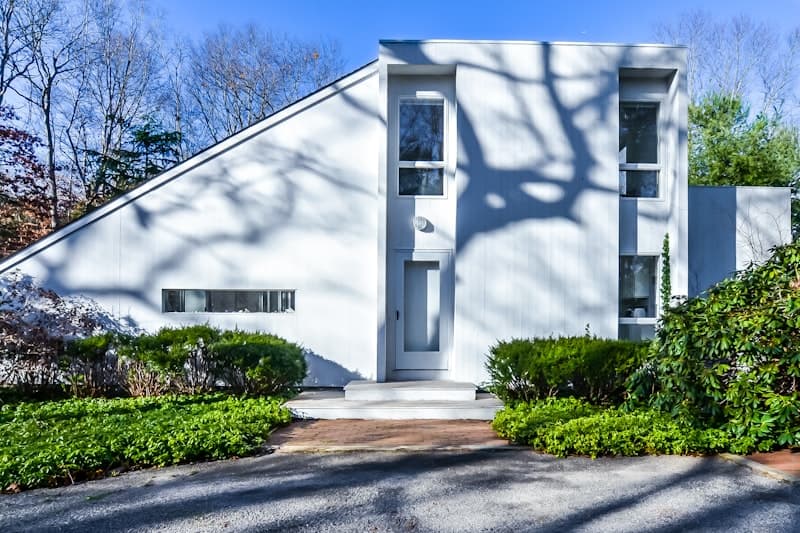
The numbers on the ground already reflect that pressure. A single-family home at 104 Paloma Drive in Coral Gables sold this week for $9 million, or roughly $1,400 per square foot, according to The Real Deal's transaction tracker. That price point would have been unthinkable in the Gables five years ago. Across South Florida, 47 new luxury listings entered the market in the most recent reporting period, bringing total luxury inventory to 1,301 properties, with average days on market stretching to 148. The numbers suggest a market that is absorbing new supply without meaningful price corrections.
Then there is the property tax question. On February 19, the Florida House passed a bill that would repeal nearly all property taxes statewide. House Speaker Daniel Perez, a Miami Republican, framed the vote as the culmination of years of legislative groundwork. The bill still faces a long road through the state Senate and would require a constitutional amendment, meaning voters would ultimately decide. But the mere passage through one chamber has already sparked intense debate about what elimination of property taxes would mean for a state that has no income tax either.
For luxury real estate, the implications are enormous. Property taxes on a $10 million Miami Beach home can exceed $150,000 annually. Eliminating that cost would effectively reduce the carrying expense of high-end ownership by a significant margin, potentially drawing even more wealth from high-tax states like New York, New Jersey and California. Critics, including Miami Herald editorial writers, have warned that the repeal could devastate municipal services in communities like Pinecrest, Miami Shores and Coral Gables that depend heavily on property tax revenue.
The development pipeline continues to expand in parallel. A 62-story luxury tower won approval this week in Sunny Isles Beach, on a lot between the Residences by Armani Casa and the Ocean Two Condominium. The project is a joint venture between BH Group, Related Group and Dezer Development, three of the most active developers in the beachfront corridor. Separately, a $22.5 million development site near Florida International University sold to Provident Resources Group, which plans a 20-story student housing complex with 820 beds, a sign that institutional capital sees long-term population growth in the metro.
Taken together, the week's developments paint a picture of a market that is being reshaped by forces both corporate and legislative. Palantir's arrival will add another layer of high-earning professionals to a buyer pool that has already pushed prices to record levels in multiple neighborhoods. The property tax debate, even if it takes years to resolve, introduces a new variable into every long-term investment calculus in the state.
For buyers and sellers navigating the current market, the message is straightforward: Miami's gravitational pull is strengthening, and the policy environment is tilting further in favor of ownership. Whether that trajectory is sustainable depends on questions that extend well beyond real estate, from infrastructure capacity to insurance costs to the political appetite for replacing billions in lost tax revenue. But for now, the momentum is unmistakable.
Photo: Sergio Arteaga / Unsplash